From Learning GraphQL to Representing it at API Days Singapore
The following report was written by Ambassador Akshat Sharma after his first experience representing GraphQL at a large event. GraphQL Ambassadors are trusted go-to community leaders driven by a passion for GraphQL projects, striving to nurture the growing GraphQL community through collaboration, education and outreach. Find out more about the Ambassador Program in the community pages.
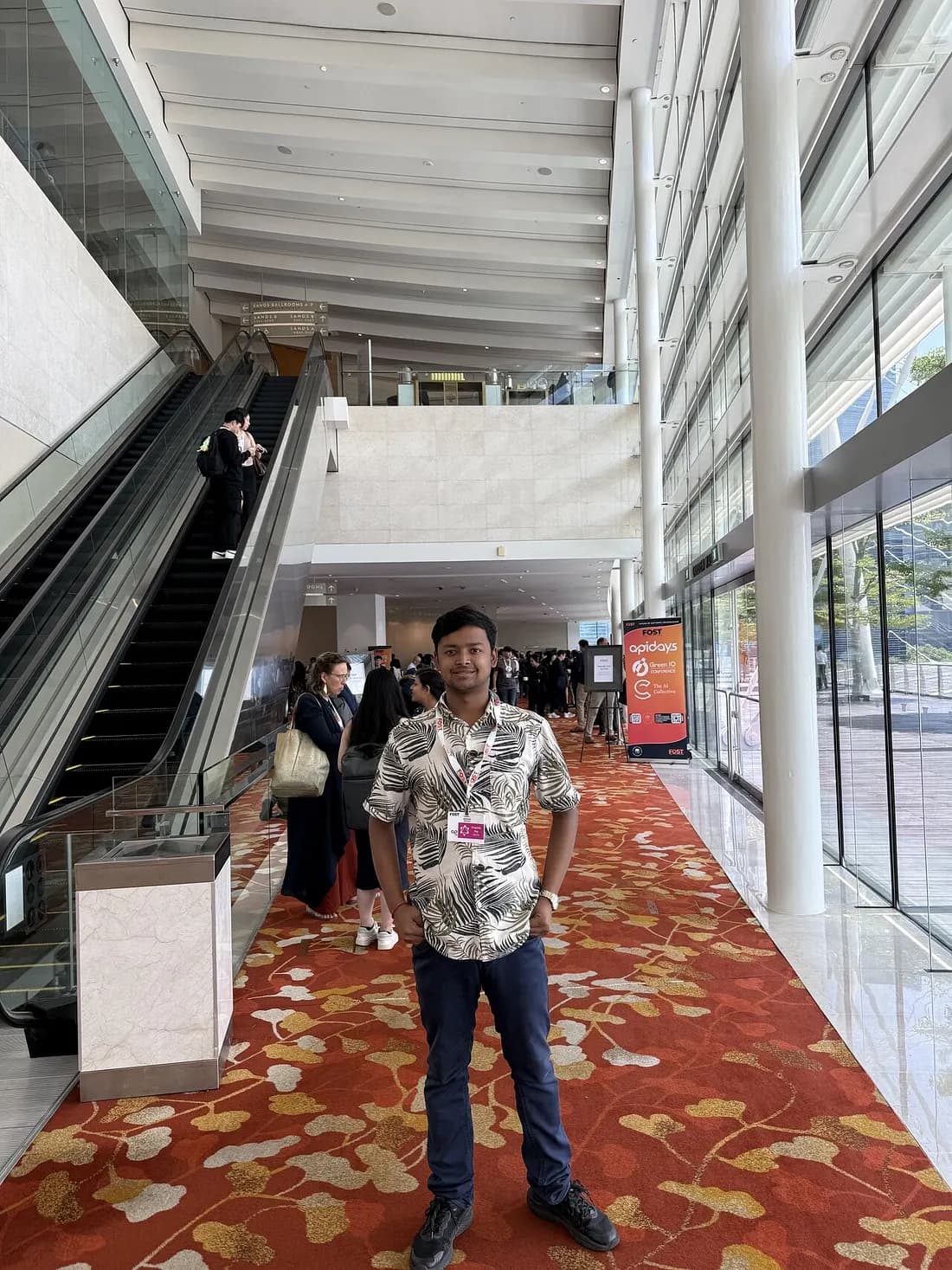
My experience representing GraphQL at API Days Singapore 2026, insights from GraphQL Day at FOST, and real-world lessons from the API community.
Over the past three years, I’ve been deeply involved with GraphQL — building production-grade systems, experimenting with modern API architectures, and understanding how GraphQL performs in real-world environments.
But representing GraphQL as an Ambassador at API Days Singapore 2026 was a completely different experience.
What made it even more interesting?
This wasn’t something planned months in advance.
It was a last-minute decision that the three of us came together on, and before we knew it, we were on the ground at one of the most happening global API conferences — representing GraphQL in front of a diverse developer audience.
And that spontaneity made the experience even more memorable.
Representing GraphQL from a Booth at API Days Singapore

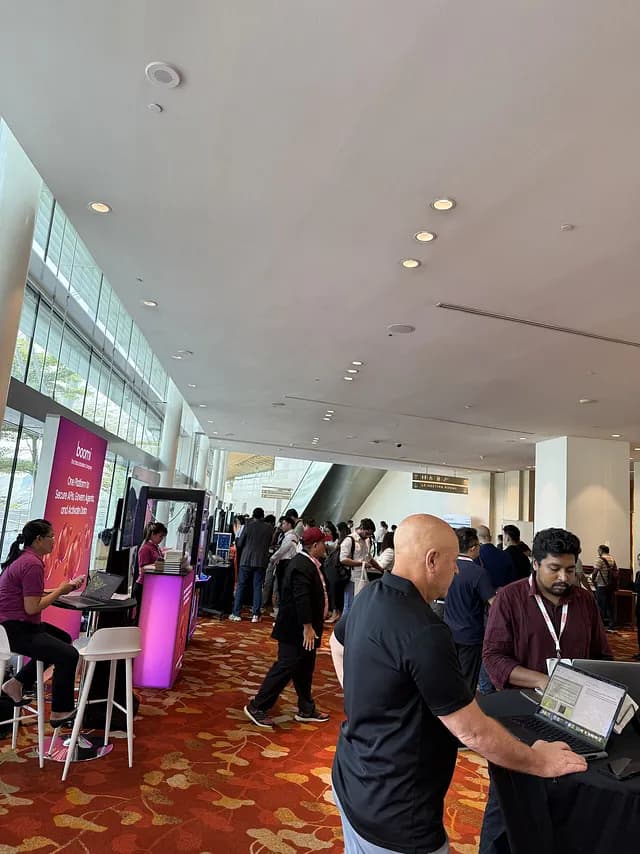
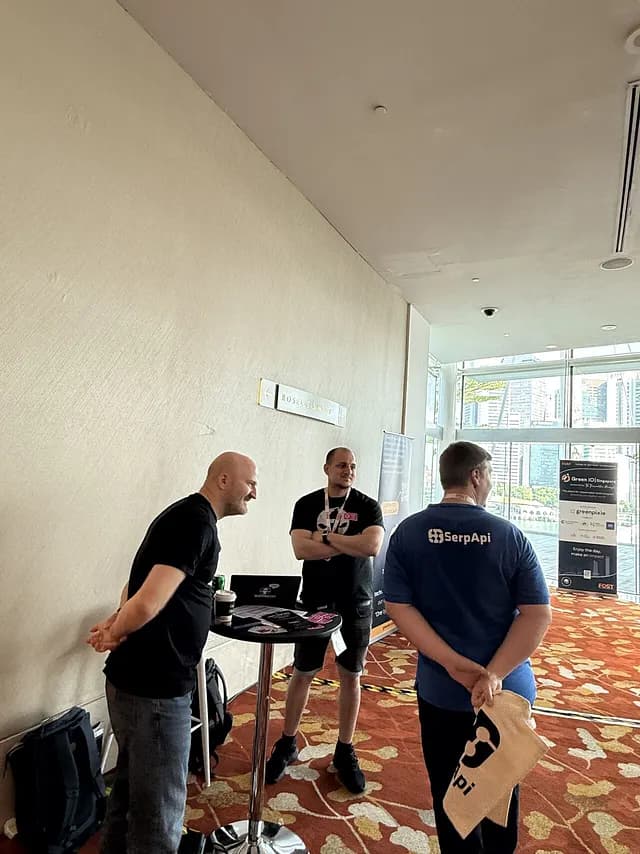
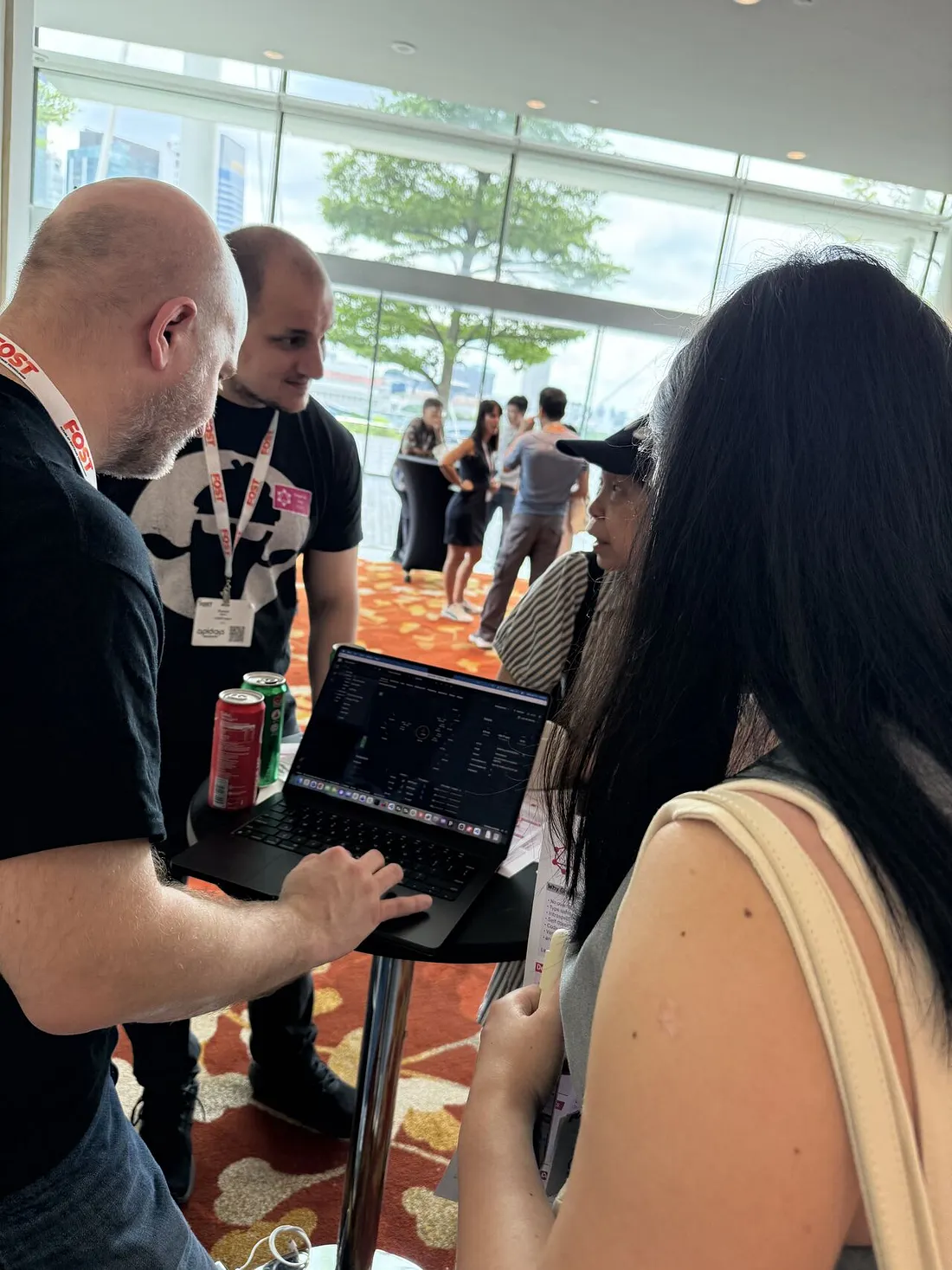
One of the most exciting parts of attending API Days Singapore was having a dedicated GraphQL booth.
It quickly became a central hub for developers, engineers, and API enthusiasts.
People walking by would stop, notice GraphQL, and start conversations — sometimes casual, sometimes deeply technical.
We interacted with:
- Developers evaluating GraphQL vs REST APIs
- Teams already using GraphQL in production facing scaling challenges
- Engineers exploring hybrid API architectures
You’d start with a simple question:
“Should we use GraphQL?”
And within minutes, you’d be discussing:
- GraphQL federation strategies
- Query complexity and rate limiting
- Schema design best practices
- Observability and performance optimization
Being part of these discussions — not just as a developer but as a GraphQL Ambassador — felt both impactful and rewarding.
The Energy of API Days Singapore 2026
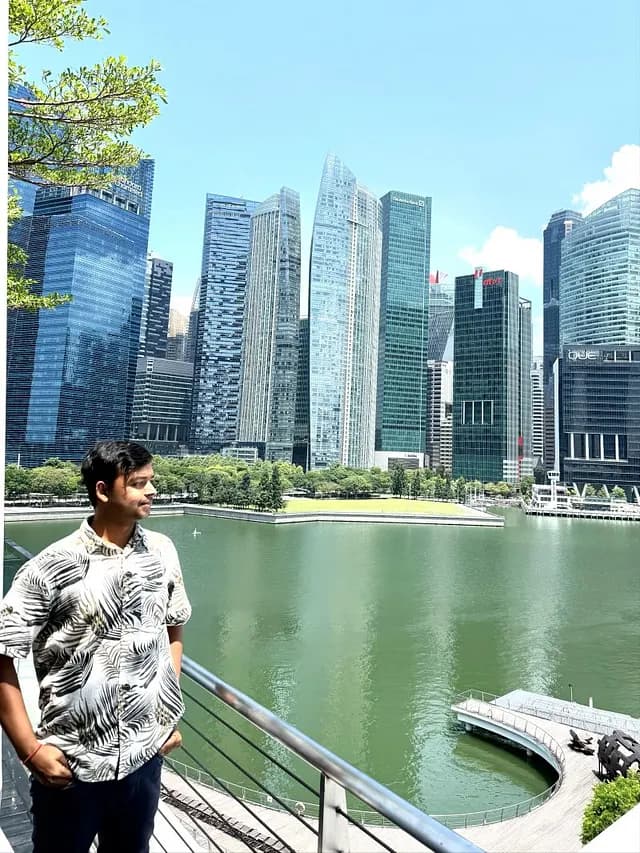
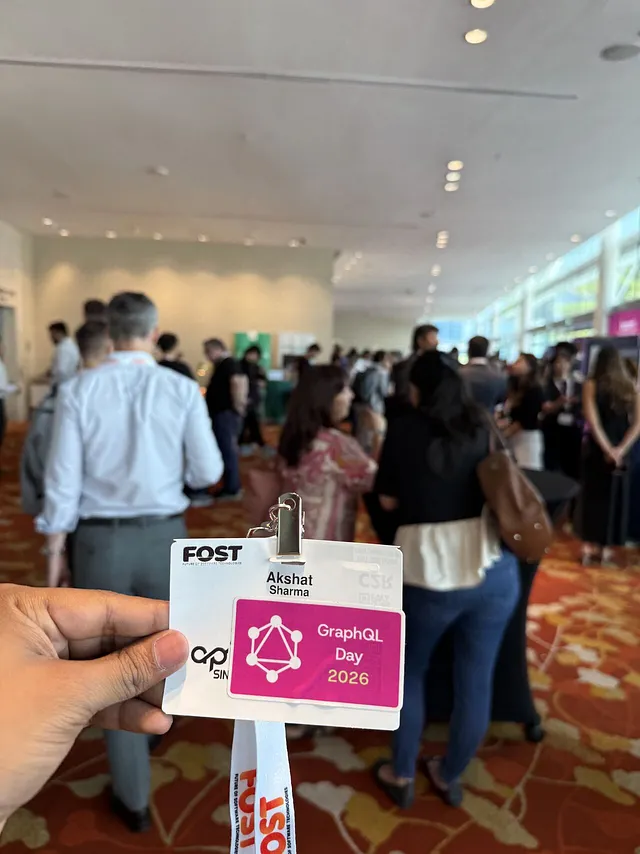

API Days Singapore has a unique energy that sets it apart from typical tech conferences — and the setting at Marina Bay Sands makes it even more special.
It’s not just about presentations — it’s about real builders solving real problems in one of the most iconic tech gathering spaces.
You see:
- Founders building API-first platforms
- Engineers dealing with production-scale challenges
- DevRel professionals shaping developer communities
And often, the most valuable insights come from unplanned hallway conversations, not scheduled sessions.
Some of the best discussions happen between sessions, overlooking the skyline, where ideas flow more freely than in formal talks.
That’s where real learning happens.
Meeting the People Behind the GraphQL Ecosystem
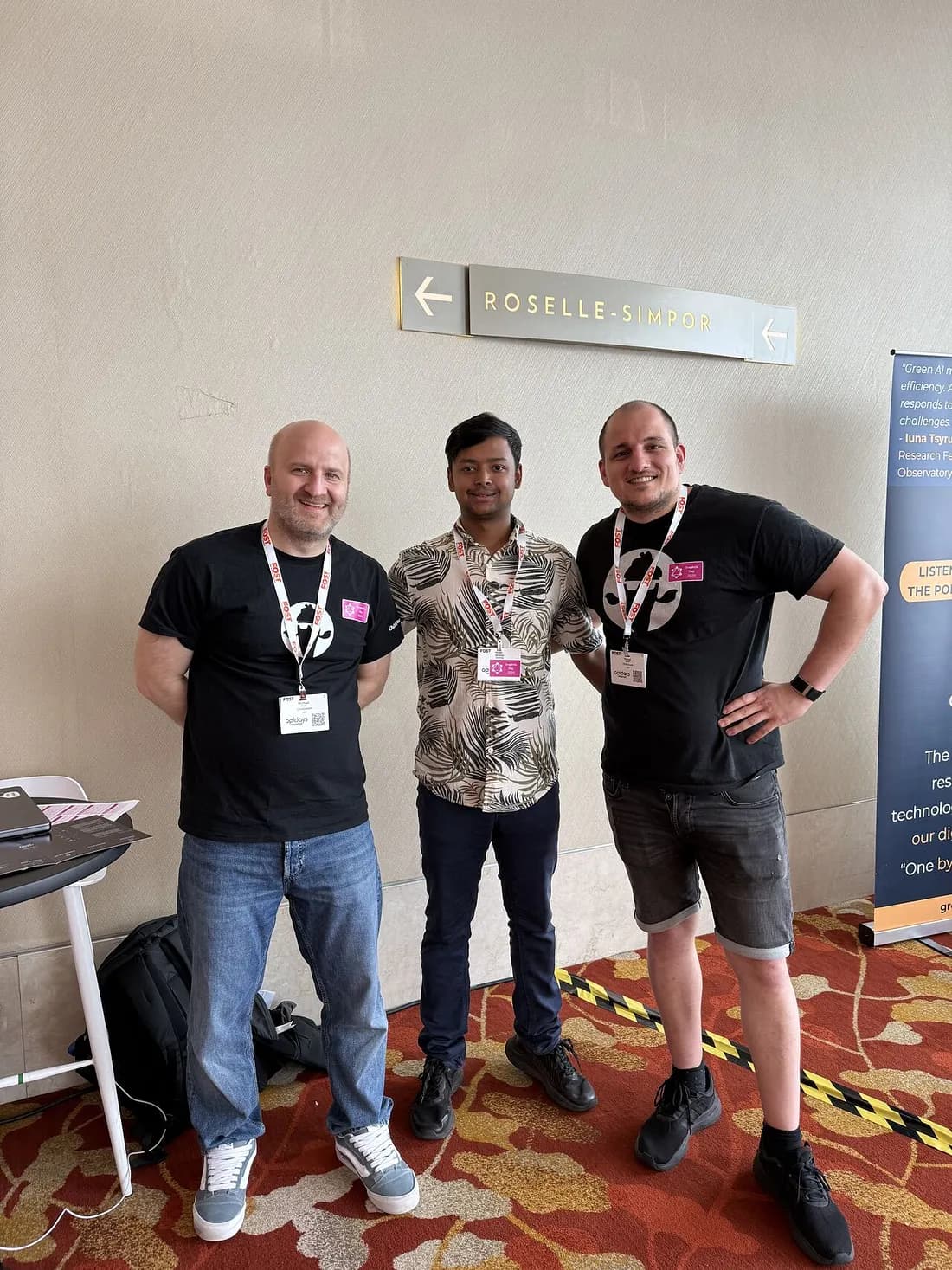
A major highlight of the event was connecting with members of the GraphQL Foundation.
I had the opportunity to meet Michael Staib and Pascal Senn.
These are individuals who have significantly shaped the GraphQL ecosystem.
But what stood out wasn’t just their technical depth — it was their openness.
The conversations were:
- Practical and experience-driven
- Focused on real-world GraphQL challenges
- Centered around improving the ecosystem
No gatekeeping. No unnecessary complexity. Just meaningful discussions.
And that’s what makes the GraphQL community powerful.
GraphQL Day during API Days Singapore
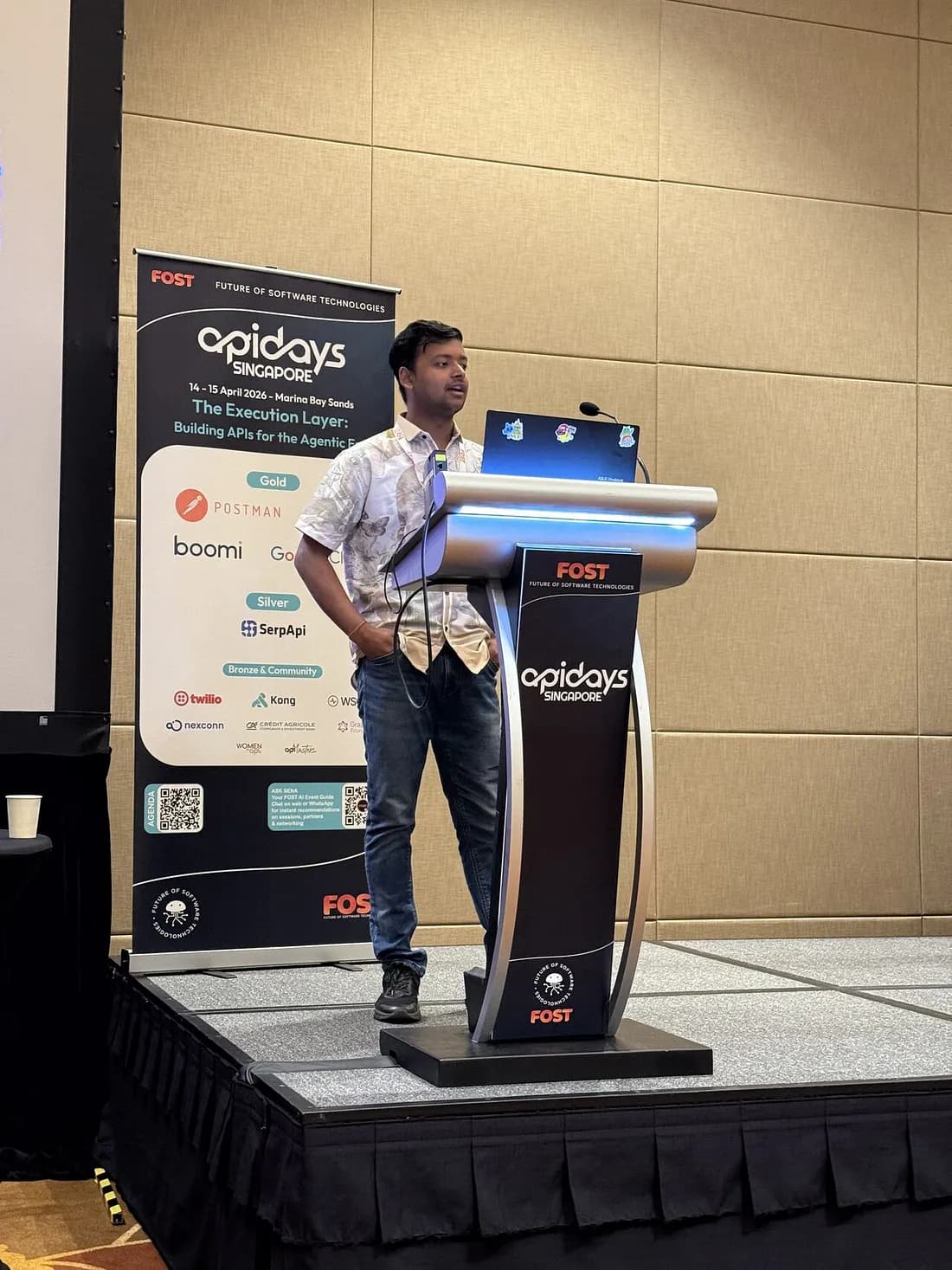
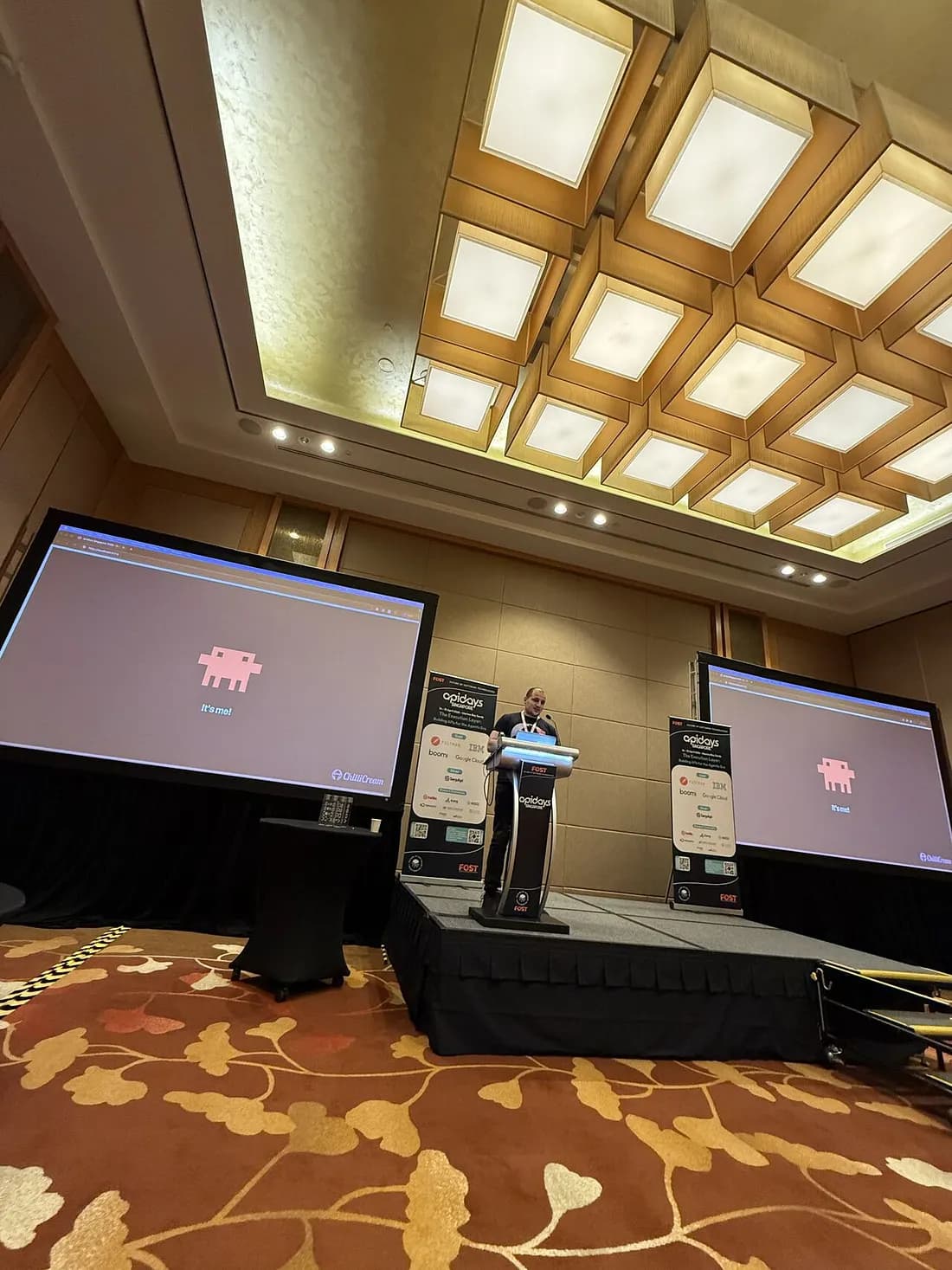
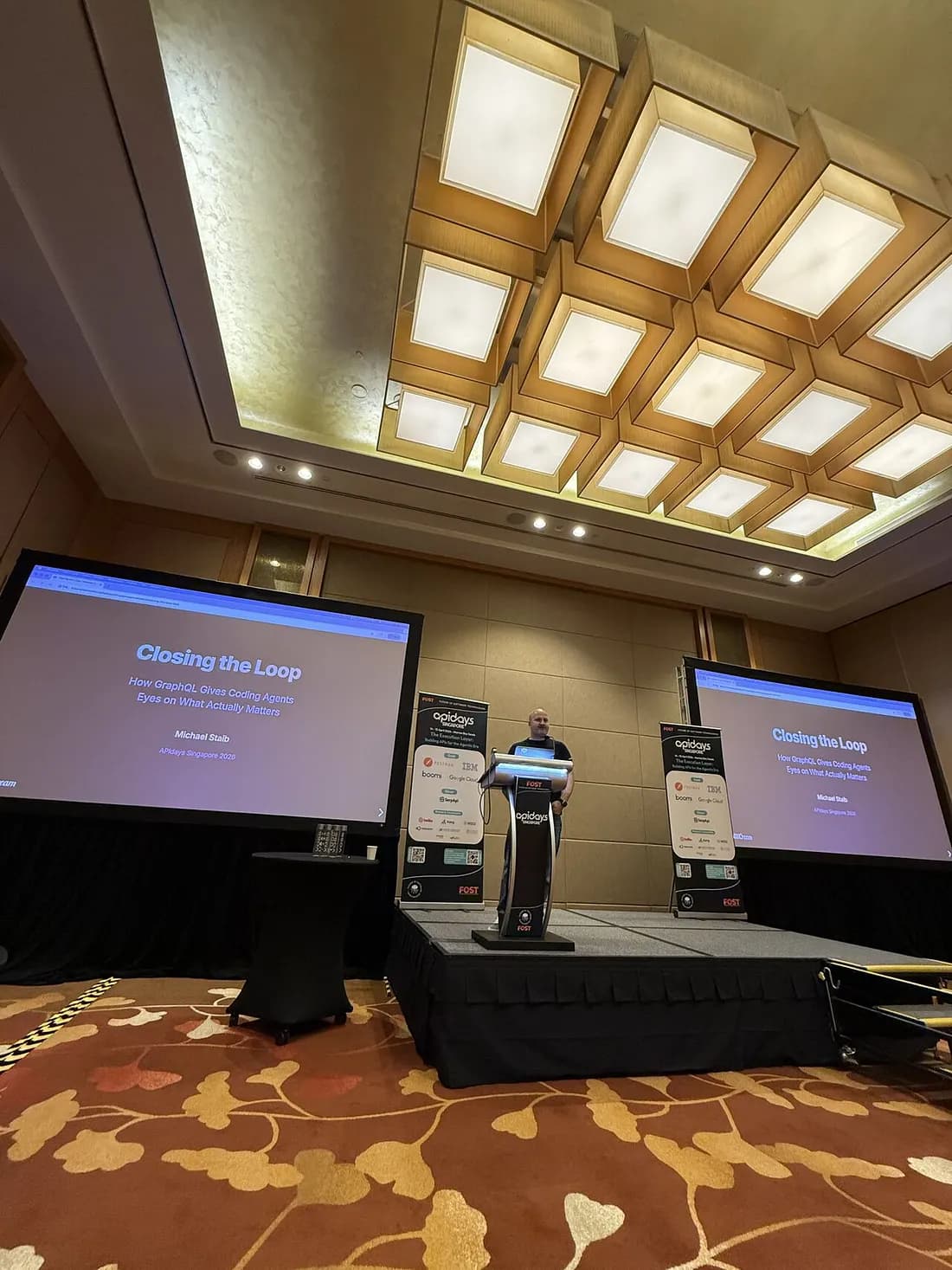
As part of the broader event, we were also involved in GraphQL Day at FOST Singapore, which brought together multiple API communities.
GraphQL Day is a focused community-driven event hosted by FOST (Future of Software Technologies) — designed to bring together ecosystems like GraphQL, AsyncAPI, OpenAPI, and JSON Schema.
I, Michael Staib, and Pascal Senn talked about how GraphQL is being applied across diverse domains — from strengthening API security practices to enabling agentic AI systems, and even supporting emerging trends like vibe coding.
These talks clearly showed how GraphQL is evolving beyond just a query language — it’s becoming a foundational layer in modern, intelligent, API-driven systems.
Why GraphQL Day is Valuable for Developers
GraphQL Day stands out because of its real-world focus:
- Real-world GraphQL talks: Learn how teams actually use GraphQL in production — including failures and lessons learned.
- Cross-community API learning: Understand how GraphQL works alongside AsyncAPI, OpenAPI, and JSON Schema.
- Open-source ecosystem access: Meet maintainers, contributors, and core developers behind GraphQL tools.
- Hands-on GraphQL workshops: Explore new tools and techniques with expert guidance.
- High-quality networking: A focused format ensures meaningful interactions with developers, CTOs, and decision-makers.
Whether you’re a beginner or running GraphQL at scale, this event provides real value.
Key Takeaways from API Days Singapore and GraphQL Day
A few major insights stood out:
1. GraphQL adoption is maturing globally
Teams are moving beyond experimentation and solving real production challenges using GraphQL.
2. The focus is shifting to advanced problems
The conversation is no longer about “What is GraphQL?” but about:
- Scaling GraphQL APIs
- Security and authorization
- Performance optimization
- Governance and schema evolution
3. The GraphQL community drives innovation
The ecosystem thrives because of collaboration, open-source contributions, and shared learning.
A Personal Shift in Perspective
This experience wasn’t just about attending a conference.
It was about growth.
Working with GraphQL for years gives you depth in implementation.
But being at events like API Days gives you breadth in perspective.
You:
- See how different teams architect systems
- Understand trade-offs better
- Discover new approaches and patterns
And most importantly, you realize:
Growth doesn’t just come from building — it comes from engaging with the community.
What’s Next in My GraphQL Journey
This experience has pushed me to go deeper into the GraphQL ecosystem.
To:
- Contribute more actively to GraphQL community
- Share insights from real-world implementations
- Help teams adopt and scale GraphQL effectively
And if there’s one thing this journey reinforced, it’s this:
The most impactful opportunities don’t always come from long-term planning.
Sometimes, they begin with a spontaneous decision, the right people, and a willingness to show up.
And they end up shaping your journey in ways you never expected.
Resources and Links
If you want to explore more about GraphQL, API Days, and the ecosystem around it, here are some useful resources: